Essential Beekeeping Equipment for Beginners: A UK Starter Kit Checklist
Everything a new UK beekeeper needs before their first colony arrives, from protective clothing and hive parts to feeders, tools and the small extras that experienced beekeepers never leave the apiary without.
Beekeeping has a reputation for being an expensive hobby, and it can be — but it does not have to be. The trick is knowing which items are genuinely essential in your first season and which can wait until you have a colony, a harvest and a few scars to justify them. This guide walks through a practical UK starter kit, roughly in the order you should buy it.
Start With a Plan, Not a Shopping Trolley
Before spending a penny, do two things: join your local beekeeping association and read a beginners' book cover to cover. Most associations run winter courses, offer insurance through membership, and — crucially — give you access to members who will lend you equipment, sell you a nucleus colony, and tell you honestly when your bees are about to swarm.
Beekeeping is also seasonal. In the UK, most beginners receive their first colony between April and June. Ordering flat-pack hives in January gives you time to assemble, treat and paint them without panic, because a hive that arrives three days before your bees is a hive that will still smell of fresh timber and solvent when the colony moves in.
Buy the best protective clothing you can afford before you buy anything else. Hives can be borrowed, shared or improvised. A bee suit that lets bees in cannot.
Protective Clothing Comes First
Suits and Jackets
A full bee suit — one-piece or jacket and trousers — is the single most important purchase. Look for a heavyweight or three-layer mesh fabric, a hat with a rigid, well-secured veil, and plenty of pockets. Sizing matters more than you think: a suit that is slightly too large is comfortable and unlikely to pull tight across the back when you bend over a brood box. White or pale colours are traditional because bees react to dark, fuzzy shapes as potential threats.
Many beekeepers start with a jacket and pair of trousers, which is cheaper and cooler in summer. If you keep bees long term, most people eventually own both.
Gloves and Footwear
You have two realistic options. Thin nitrile or latex gloves give superb dexterity and let you feel what you are doing, but bees can sting through them. Leather gauntlets are sting-resistant but clumsy, and they get sticky with propolis. A good compromise is a pair of long-cuff nitrile gloves with a gauntlet over the top, or simply accept a sting or two while you learn.
Wear wellington boots, not trainers. Bees walk upwards and ankles are a favourite target. Tuck trouser legs into socks or boots, or use elasticated cuffs.
The Hive Itself
Choosing a Hive Type
In the UK, the British Standard National hive is the practical default. It is the most widely used, spare parts are available everywhere, and any mentor you find will almost certainly keep them, which makes borrowing frames, supers and even whole colonies far easier. Langstroth and Commercial hives suit some beekeepers, particularly those with bad backs or large apiaries, but a beginner is usually best served by going with the local norm.
Buy your hive as a flat pack and assemble it yourself — it is cheaper, you learn how every part fits together, and you will be far more confident making repairs later. Treat the exterior with a breathable wood preserver or water-based fence paint. Avoid anything solvent-based on the inside.
What a Complete Hive Includes
- Floor — an open mesh floor is standard in the UK; it aids ventilation and helps with varroa monitoring
- Brood box — the main living chamber, usually holding 11 National frames
- Supers — shallower boxes for honey storage; buy at least one to start
- Queen excluder — keeps the queen out of the supers so brood stays below
- Crown board — the lid that sits beneath the roof, ideally with a porter escape slot
- Roof — a weatherproof outer cover, usually with a metal skin
- Frames and foundation — enough for the brood box and one super, plus spares
- Dummy board — a movable partition that helps you keep the colony warm in spring
- Hive stand — raises the hive off damp ground and saves your back
Add a roof strap or a brick on the roof. UK wind and curious livestock have destroyed more colonies than most pests.
The Beekeeper's Toolbox
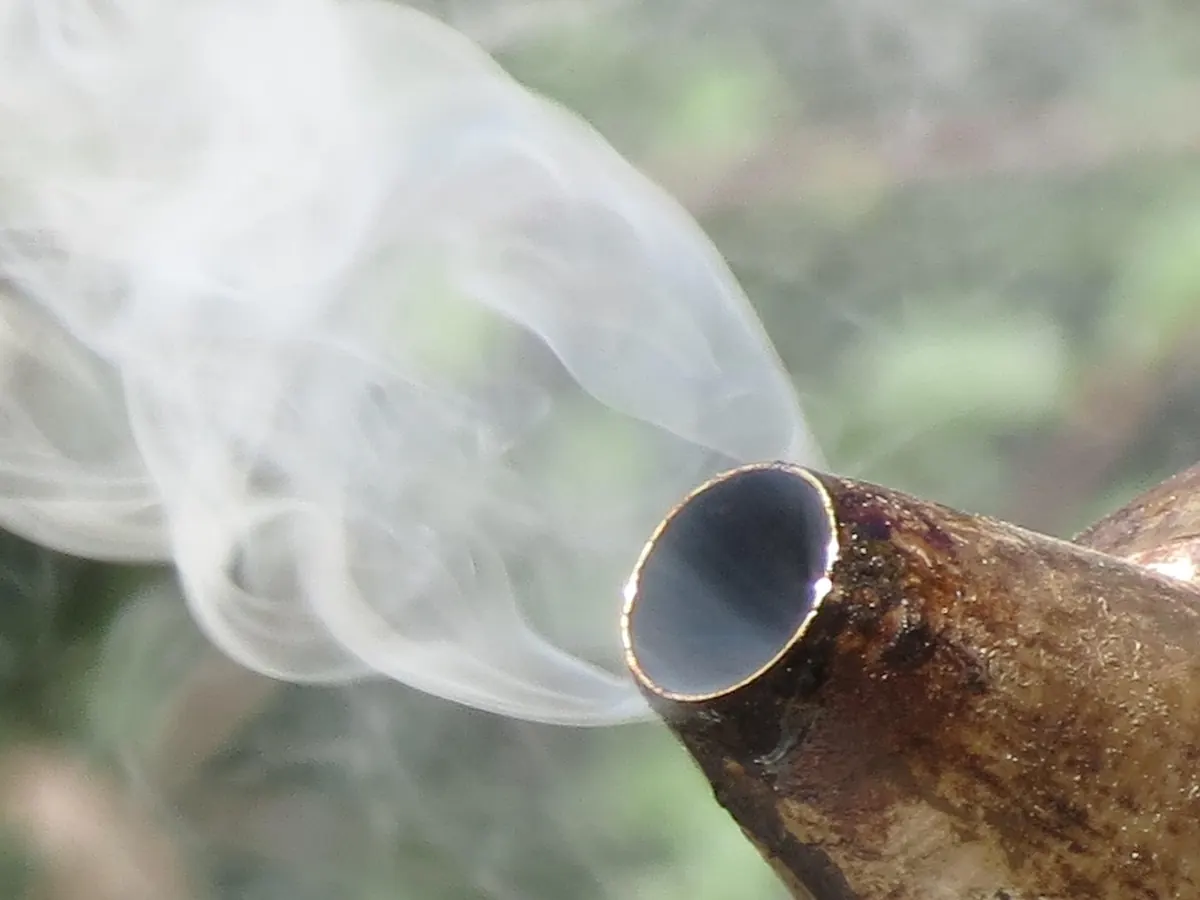
- Smoker with a heat-proof guard — stainless steel is worth the extra. Fuel it with hessian, dried grass, wood pellets or egg cartons
- Hive tool — a J-hook design is the most versatile; buy two, you will lose one
- Bee brush or a large soft feather for moving bees gently
- Queen marking kit — a marking cage and a pen in the correct international colour for the year
- Frame grip — a small lever that makes lifting sticky frames much easier
- Bucket and feeder for syrup, plus a funnel and a jug
- Notebook or hive record sheets and a permanent marker for frames and boxes
- Water container and a shallow drinking station — bees need water close to home, and your neighbour's pond is not the answer
Feeders and Feeding Gear
New colonies need feeding far more often than beginners expect, especially in a cold spring or a dry summer. A rapid or Ashforth feeder sits inside the hive and holds several litres; a contact feeder is cheaper and simpler; fondant is the standard winter and emergency feed because it does not ferment or drip. Remember the basic UK convention: thin syrup in spring to stimulate, thick syrup in autumn to store.
Health, Monitoring and Record Keeping
You will need a varroa monitoring tray for your mesh floor, and a plan for treatment — thymol-based products in late summer and oxalic acid in midwinter are the common options. Buy a cheap hand lens or magnifier for inspecting brood, and keep clear records of every inspection: date, weather, temper, brood pattern, queen seen, stores, and any action taken.
Register your apiary on Beebase, the national bee health database. It costs nothing, keeps you informed of disease outbreaks nearby, and matters if you ever need to report a notifiable disease such as American or European foulbrood.
What You Do Not Need in Year One
- An extractor — borrow your association's, or use the crush-and-strain method for a first small crop
- A second hive — tempting, but wait until you can manage one confidently
- Queen rearing equipment — a rewarding project for year three, not year one
- Bottling and labelling kit — only relevant once you have honey, and selling it brings its own regulations
Rough Budget Guide
Prices vary widely, but as a broad guide for the UK:
- Bee suit or jacket and trousers: £50–£150
- Gloves: £5–£15
- Smoker and hive tool: £35–£65
- Flat-pack National hive with frames and foundation: £150–£250
- Feeder and small consumables: £30–£50
- Nucleus colony of bees: £200–£300
If you buy second-hand equipment, be extremely careful. Foulbrood spores can survive for decades in old combs and boxes. Never buy used frames, foundation or comb, and only accept second-hand woodenware if you can scorch or thoroughly disinfect it. Cheap bees are rarely cheap.
Your Starter Kit Checklist
- Join a local association and book a beginners' course
- Buy a well-fitting bee suit and boots
- Assemble and treat a flat-pack National hive with stand
- Buy frames, foundation, a dummy board and at least one super
- Add smoker, hive tool, brush, frame grip and queen marking kit
- Get a feeder, syrup-making gear and a supply of fondant
- Set up a varroa tray, magnifier and a simple record system
- Register on Beebase and arrange a water source
- Source a reputable local nucleus colony for spring
- Keep £30 aside for the thing you forgot
Buy the essentials, borrow the rest, and let the bees teach you the difference. Almost every beekeeper ends up with a shelf of unused gadgets — the ones who enjoy their first season most are usually the ones who started simple.
Photo: michele_onorato / Pixabay