Harvest day is the best day of the beekeeping year. It is also the day you can do the most damage in the shortest time: crushed bees, a robbing frenzy at the entrance, a queen squashed under a super, a colony left short of stores just as autumn arrives. None of it is inevitable. A good harvest is a sequence of small decisions taken in the right order, and most of them are made before you carry a single frame indoors.
Pick the right day — and the right amount
Honey is ready when the bees say it is. If a frame is roughly three-quarters sealed under white cappings, it is generally safe to take. Unsealed honey can hold more water than you want in a jar, and honey that is too wet will ferment in the cupboard. If you have a refractometer, use it; if you do not, trust the cappings and your own judgement.
Choose a warm, still, dry morning or early evening, when fewer foragers are out and the air is not full of bees from elsewhere. Never harvest straight after a heavy nectar flow if you plan to leave the frames stacked open for hours — that is an invitation to every wasp and neighbour's colony within flying distance.
Take less than you would like to. A colony needs roughly its own body weight in stores to get through a British winter, and much more in a cold, wet spring. Heft the brood box before you commit: if it feels light, one or two supers go back on. A young colony in its first year, or one recovering from a poor season, is better left alone entirely. There is no shame in a small harvest — there is a good deal of shame in a dead colony in March.
Clearing supers without panicking the colony
You want the supers empty of bees before you take them indoors. There are two sensible ways to get there, and both beat shaking bees onto the grass.
Clearer boards
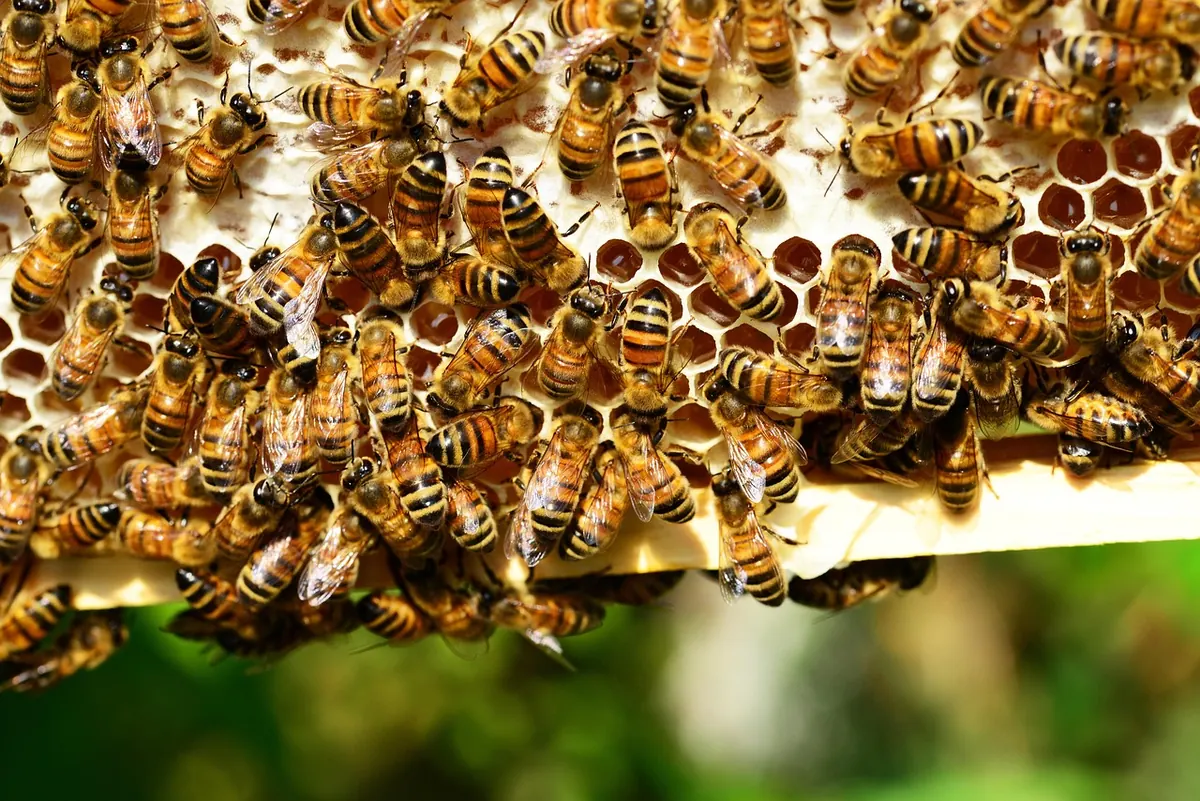
Fit a clearer board — a crown board with a rhombus clearer or a couple of Porter escapes in the middle — under the supers the evening before you plan to extract. Bees move down towards the brood nest overnight and cannot easily work out how to get back up. Come back the next morning, or at most the following day. Do not leave a clearer board on for a week, particularly in cool weather: bees left above an excluder with no way down can chill and starve. On a warm, busy day the supers will not be completely empty, so have a spare box and lid ready for the few stragglers, and shake them gently off the frames over the open hive.
Shaking and brushing
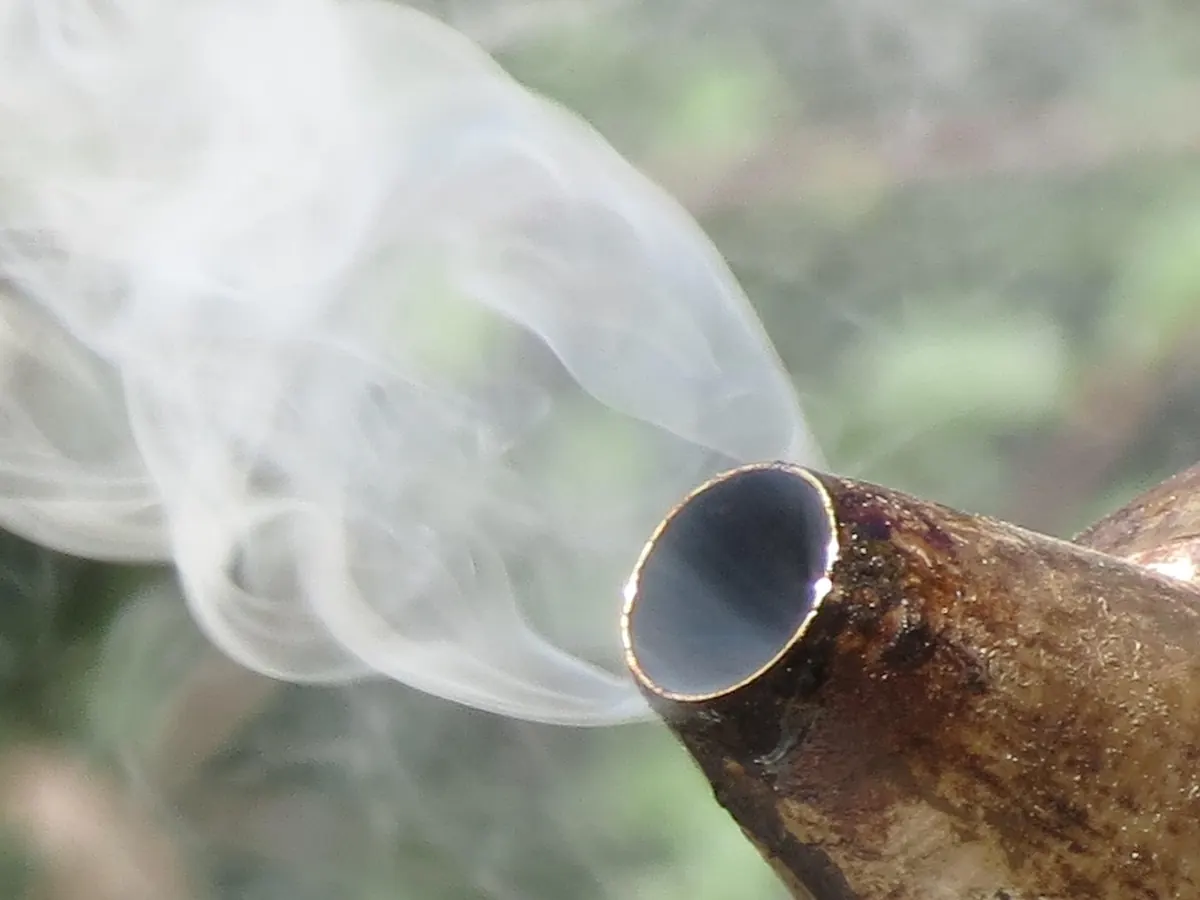
For one or two supers, shaking is quicker than fiddling with escapes. Lift the frame, hold it over the gap above the brood box, and give it two firm downward jolts. Most bees drop straight in. Flick the last few off with a soft bee brush — slowly, with the lie of the hairs, never scrubbing at the bees. A fine spray of water from a plant mister calms the air without the sticky mess of too much smoke.
Before you start lifting, check the following:
- Is the colony's own store cupboard genuinely full?
- Is the entrance reduced to a manageable gap to keep wasps out?
- Have you got an empty super, a lid and a spare brood box for stragglers?
- Are you working when the fewest foragers are in the air?
- Is the queen safely below, with the excluder intact?
- Is the stack covered between frames, so nothing is left exposed?
Uncapping: keep the knife flat and your nerve steady
Work over an uncapping tray or a large baking tray with a draining rack. A long serrated knife, a warmed uncapping knife or a cheap bread knife all do the job; a heated blade glides but is easy to overdo. Hold the frame upright over the tray, rest the blade flat on the cappings and use a gentle sawing motion, taking off just the caps. You are opening cells, not sculpting. If the wax dips where bees have built the comb unevenly, use an uncapping fork to scratch the low spots rather than hacking away at the rest of the frame.
Keep the cappings: they hold real honey. Tip them into a colander or sieve set over a bucket and let them drain for a day or two, then rinse the remaining wax and save it for rendering. Honey from cappings is perfectly good to eat, though it often granulates more quickly because it catches a little more air and wax dust.
Spinning the honey out
Warm honey flows; cold honey sulks. Leave frames in a room at around 20°C overnight before extracting, and you will save yourself a great deal of effort.
- Load the extractor with frames of similar weight, opposite each other, so the basket stays balanced.
- Turn the handle slowly at first. If you open up too fast, comb blows out of the frames and you will be picking wax off the inside of the tank for an hour.
- Spin one side, then turn each frame and spin the other. Repeat until the frames feel light and the cells look empty.
- Empty the tank through the gate as it fills. Do not let honey sit deep in the bottom, where wax and bee debris settle into it.
- Never spin brood frames. If brood comb arrives in your super by accident, return it to the hive, brood and all.
Straining, settling and jarring
Run the honey through a coarse sieve first, then a finer one, straight into a settling tank or a food-grade bucket with a tap. A double strainer catches wax, propolis and the occasional bee; a piece of clean muslin over the top does the same job. Do not force it through a very fine mesh when the honey is cool — you will simply be standing there all evening with a very slow bucket.
Leave the honey to settle for a day or two. The last of the air bubbles and any fine wax rise to the surface as a pale foam; skim it off with a spoon and jar the clear honey from the tap below. Do not heat honey to speed this up unless you have a proper warming cabinet and a good reason. Gentle warmth is fine, but overheating darkens the honey and dulls the flavour you worked all summer for.
Give the wet supers and cappings back
Wet supers go back on the hives, not into the shed. Stack them above a queen excluder on a strong colony in the evening and the bees will clean every trace of honey out, repair the comb and have it ready for next season. Do not leave wet frames standing around in the open: robbers will find them within minutes, and a robbing frenzy can turn nasty, especially late in the season.
Once cleaned and dry, store drawn comb somewhere cool, dry and dark, protected from mice and wax moth. Frames that have held brood are the most attractive to moth, so a spell in the freezer will deal with eggs and larvae already lurking in the wax.
Cleaning up — the part nobody enjoys
Start with cold water. Hot water melts wax and spreads it into every crevice, whereas cold water lifts the bulk of the honey first. Once the worst is off, wash equipment in warm water with a little washing-up liquid, rinse well and dry thoroughly. Keep wax out of the sink — a ball of it in the drain is an expensive lesson. Any sticky cloths and surfaces will attract bees for days, so wipe down the floor and doorstep too, and keep the kitchen door shut while you work.
That said, if a little honey ends up on the extractor and you leave it in the garden well away from the hives, the bees will do a brilliant job of cleaning it for you.
A harvest the colony can recover from
Take your time, take only capped honey, and leave more stores than you think you need. Feed the colony if the brood box is light, put the wet supers back promptly for cleaning, and store comb properly for winter. Do all that and the bees will barely notice you have been there — which is exactly the point. Next July, the reward is a full super, a clean extractor and a colony strong enough to do it all again.
Photo: sarangib / Pixabay